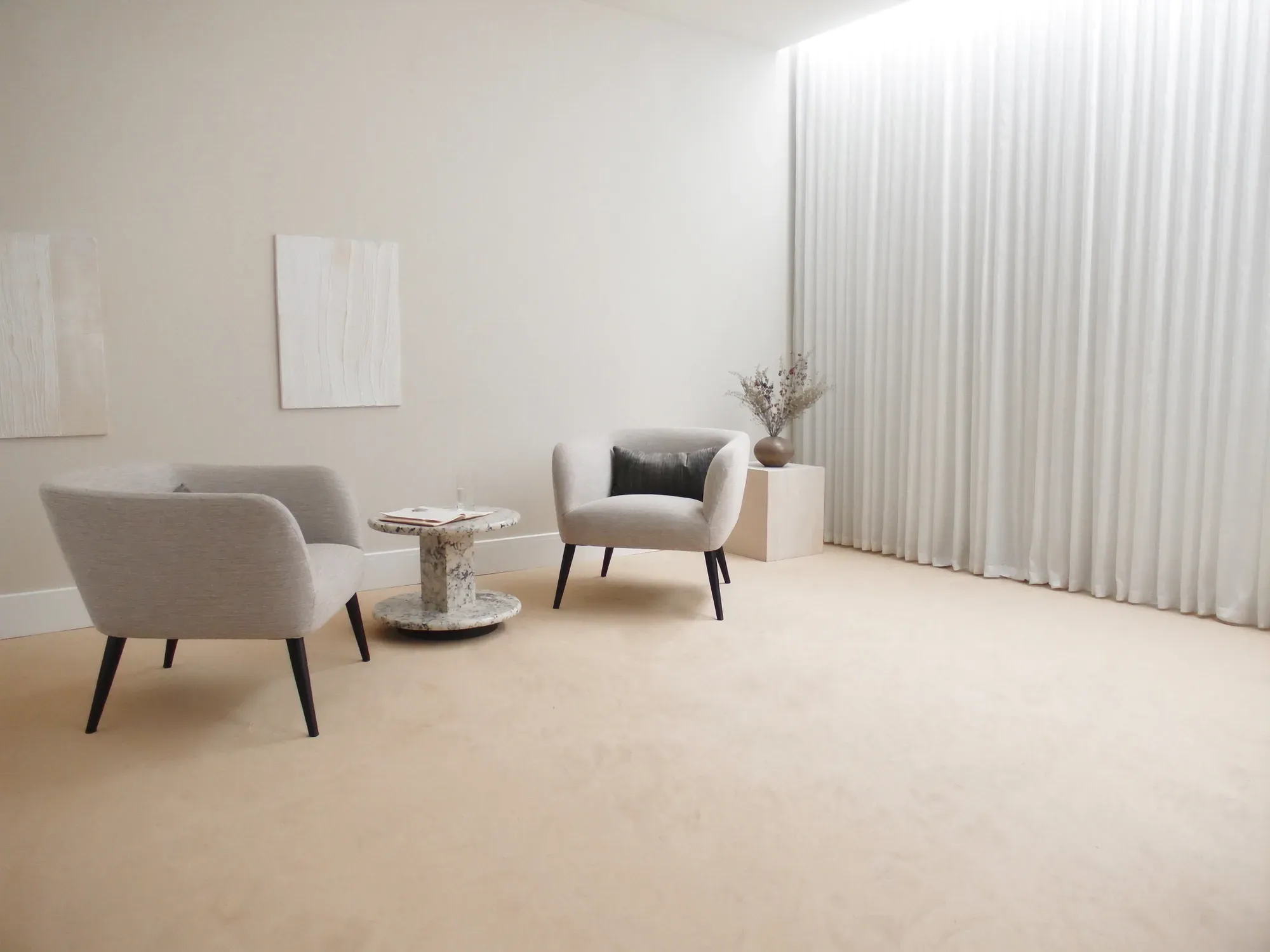
Our offerings
Considered care
Care built around you, the whole person — guided by evidence and delivered by registered clinicians who take the time to listen.
Every journey starts with a conversation
- 01
Consultation
An unhurried conversation with a registered clinician about your health, your history and what matters to you.
- 02
Your plan
A personalised plan that explains your options, what each involves, and the possible risks — with time to consider it.
- 03
Ongoing care
Regular reviews and support between visits, so your plan can evolve as you and your needs change.
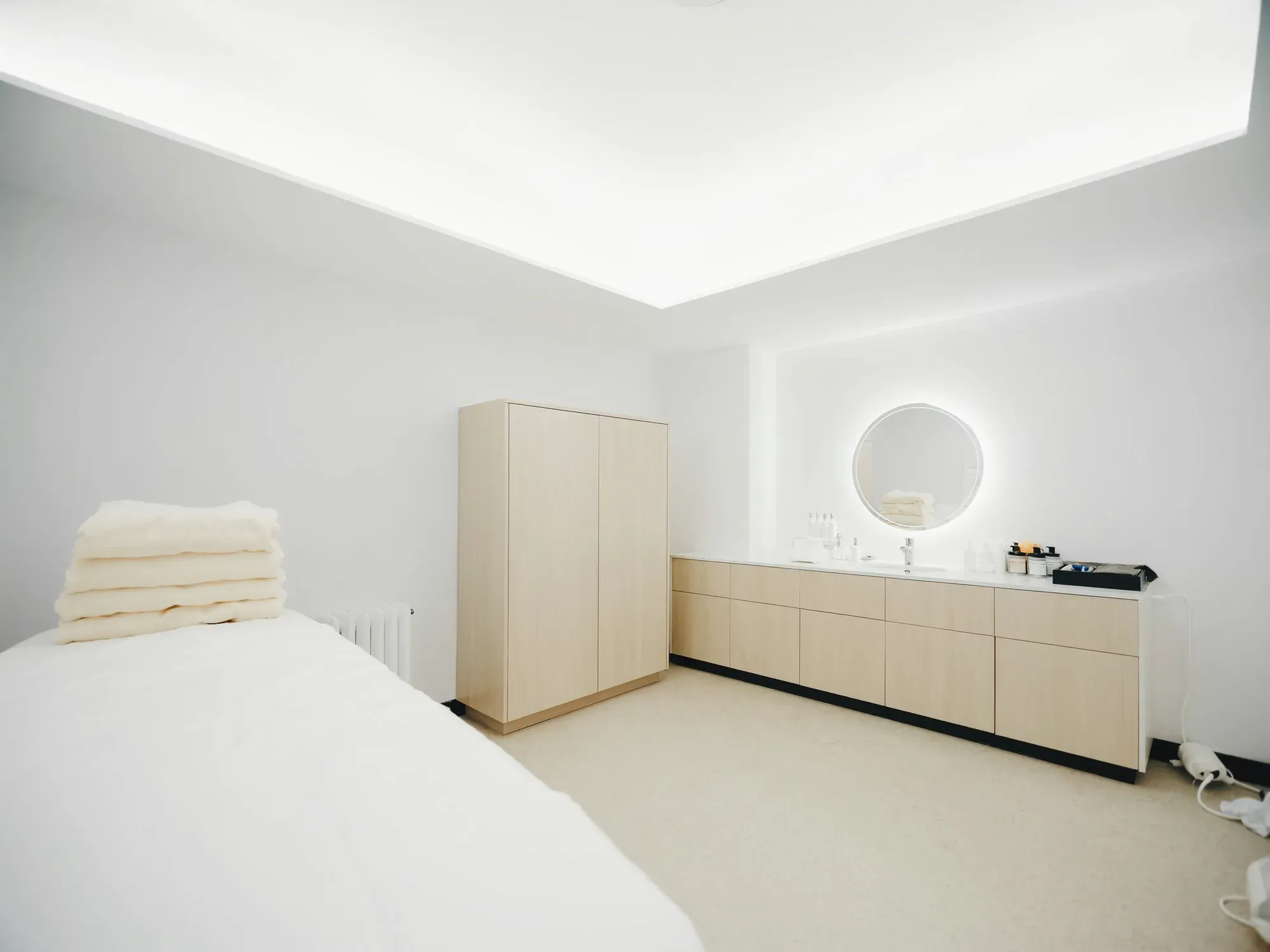
Mindful Medical Aesthetics
Your experience begins with a considered assessment and a plan designed not just to build towards your goals, but to meet you where you are right now.
Every plan starts with an unhurried, face-to-face consultation with a registered clinician. We take a full health history, talk through what matters to you, and explain every option — including the option of doing nothing at all. You'll always have time to go away and consider your plan before any treatment begins.
May include
- In-depth consultation and health history
- Facial and skin assessment
- A personalised, written treatment plan
- Review appointments to check in along the way

Care for the Whole Person
A medically-led approach for metabolic & hormone health assessments; your health and wellness are the whole picture.
Skin rarely tells the whole story. Our medically-led assessments look at metabolic and hormone health alongside your skin, so your care reflects the whole picture. Where it's appropriate, we'll arrange pathology and work alongside your GP or specialist.
May include
- Metabolic health assessment
- Hormone health assessment
- Pathology referral and results review
- Lifestyle and nutrition guidance
- Coordination with your GP or specialist
Functional Skin Health
Treatments to improve skin health and function, guided by evidence and tailored to your skin, not a fixed menu. This is a partnership that evolves with you and your needs.
Treatments are selected for your skin's health and function and sequenced over time, rather than chosen from a fixed menu. Before you begin, your clinician will explain what each treatment involves, the likely recovery time, and the possible risks.
May include
- Advanced skin analysis
- Clinical facials and skin peels
- Microneedling
- LED light therapy
- Dermal therapy for concerns such as pigmentation, redness and congestion
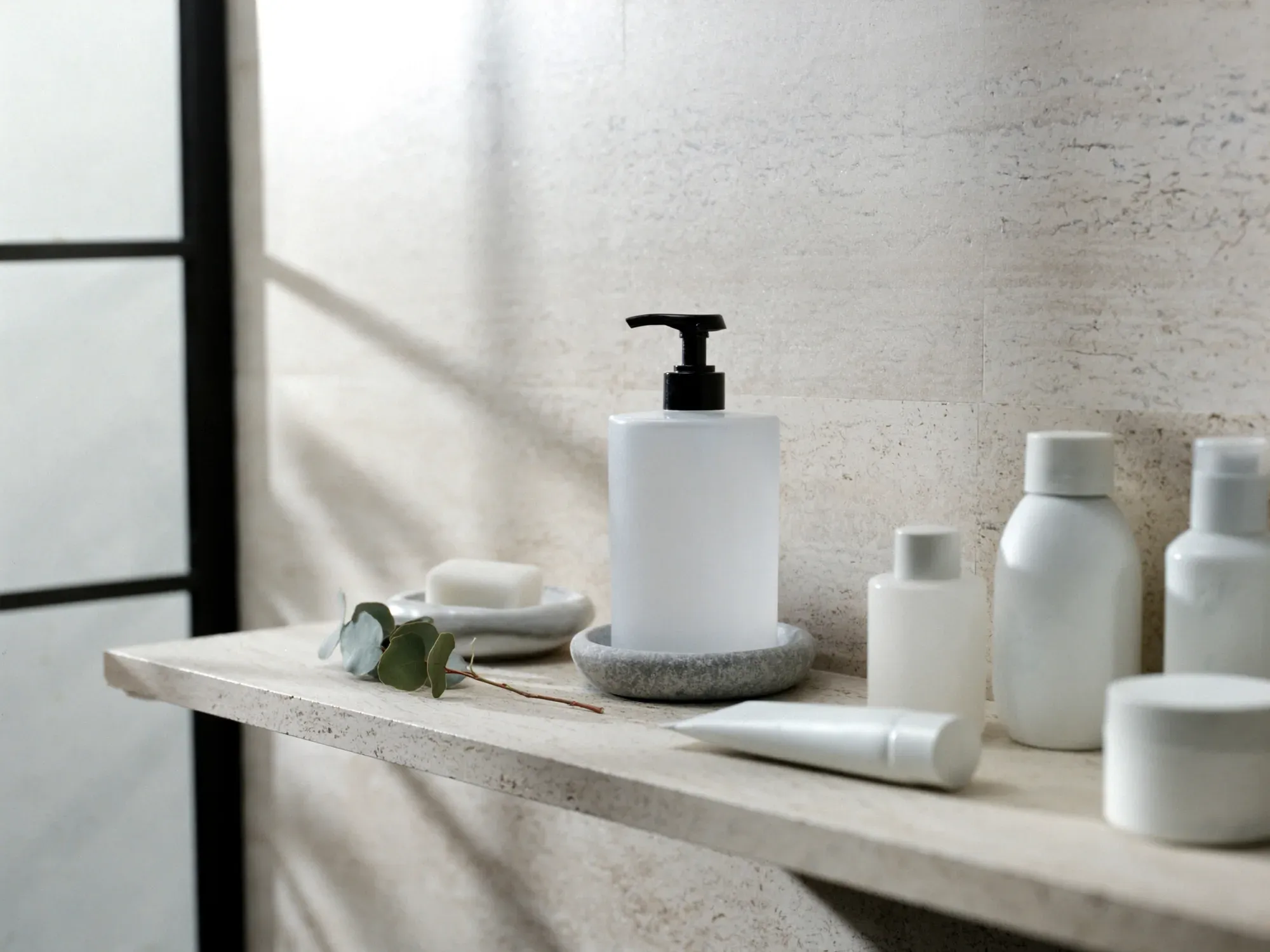
Wholistic Clinical Support
Cosmeceutical skin formulations and supportive supplement guidance from clinicians who have read your skin and know your history.
Care continues between appointments. Our clinicians recommend cosmeceutical skincare and supplements based on your skin assessment and health history, and review them as your needs change.
May include
- Personalised home-care routines
- Cosmeceutical skincare recommendations
- Supplement guidance
- Aftercare support between visits
Understanding your skin
Our approach to dermal health and function focuses on understanding your skin properly, through an in-depth assessment and consultation that looks beyond the surface. We utilise advanced AI imaging and diagnostic tools to build the foundation for your personal skin journey with us. The skin is dynamic and always evolving, and it’s our job to read and respond to your skin at each appointment, ensuring treatment meets you where you are in that moment.
Acne & congestion
In the skin
Acne originates in the pilosebaceous unit, which is made up of a hair follicle and its attached sebaceous (oil) gland. Three processes drive it: excess sebum production, often influenced by androgen activity; follicular hyperkeratinisation, where dead skin cells fail to shed properly and block the follicle; and the proliferation of Cutibacterium acnes (C. acnes), the bacteria naturally present in the skin, which triggers an inflammatory response. The visible result (congestion, papules and pustules) is the downstream effect of that cascade, and it frequently leaves post-inflammatory pigmentation or erythema behind.
Our approach
Acne and congestion can also affect any of us at many different life stages, often driven by hormones, stress, a compromised skin barrier, and sometimes the wrong products used with the best of intentions. Our role is to identify which of these mechanisms is most active in your skin and address them together: regulating oil, normalising cell turnover within the follicle, reducing inflammation and supporting the barrier.
Pigmentation
In the skin
Pigmentation is produced by melanocytes, cells that synthesise melanin through a process called melanogenesis, driven largely by the enzyme tyrosinase. That melanin is packaged into melanosomes and transferred to surrounding skin cells. When melanocytes are overstimulated by UV and visible light, heat, hormonal influences (melasma) or inflammation (post-inflammatory hyperpigmentation), melanin is overproduced and unevenly distributed. Whether pigment sits at the epidermal (surface) or dermal (deeper) level significantly affects how it responds to treatment.
Our approach
We assess the type, depth and likely triggers of your pigmentation, then work to inhibit excess melanin production, support the reduction of existing pigment and control the factors driving recurrence. Because UV and heat are primary stimuli, daily broad-spectrum protection is fundamental to any pigmentation protocol. Without it, results are difficult to sustain. The current data tells us tinted SPF is best practice, particularly for darker Fitzpatrick skin types.
Texture, tone & skin renewal
In the skin
Skin texture reflects the rate of epidermal renewal. In younger skin, cells produced in the basal layer migrate upward and desquamate (shed) roughly every four weeks; with age this cycle lengthens, so dead corneocytes accumulate on the surface. The result is roughness, dullness, a loss of light reflection and the appearance of more prominent pores and congestion. Declining collagen and reduced hydration contribute to the overall loss of smoothness and clarity.
Our approach
Our focus is on stimulating controlled renewal and supporting the skin's repair processes, so desquamation normalises, the surface refines and the complexion regains luminosity. We build this progressively to improve the underlying quality and resilience of the skin rather than pursuing a single superficial result.
Perimenopausal & menopausal skin
In the skin
The decline in oestrogen through perimenopause and menopause has direct, measurable effects on the skin. Oestrogen supports fibroblast function, collagen production, hyaluronic acid content and sebaceous activity, so as levels fall, skin commonly becomes thinner, drier and less firm, with a noticeable reduction in collagen density, much of it in the years immediately surrounding menopause. Beyond its role in collagen and hydration, oestrogen has a natural anti-inflammatory and immune-regulating effect on the skin. As levels fall, that regulating influence is lost, leaving the skin more prone to a persistent, low-grade inflammatory state. This heightened inflammation both weakens the barrier and drives collagen degradation, which is part of why menopausal skin often becomes simultaneously drier, more sensitive, slower to heal and less firm, and a shift in the oestrogen-to-androgen ratio can trigger adult hormonal breakouts alongside these changes. Many are surprised to find themselves dealing with adult breakouts and a loss of firmness at the same time, and the products that worked for years suddenly don’t.
Our approach
We meet the skin at this stage with a supportive, evidence-led protocol: reinforcing the barrier, supporting hydration and collagen, managing reactivity, and addressing firmness and any hormonal congestion. This is skin that responds well to considered care.
Redness, rosacea & sensitivity
In the skin
Persistent redness and reactivity are usually signs of two things happening together: an impaired skin barrier and a heightened inflammatory or vascular response. When the barrier is compromised, transepidermal water loss (the water that evaporates through weakened skin) rises and irritants penetrate more easily, lowering the skin's threshold for reaction. In conditions such as rosacea, this is compounded by a dysregulated innate immune response and reactive blood vessels, which can lead to flushing, visible capillaries (telangiectasia) and erythema.
Our approach
Our approach is process driven: reduce active inflammation and vascular reactivity first, then restore barrier integrity so the skin becomes measurably more tolerant. Once the barrier is stable we can introduce further active ingredients and targeted treatments.
Dryness & dehydration
In the skin
Though used interchangeably, these are two distinct conditions. Dryness is a deficiency of lipids; the ceramides, cholesterol and fatty acids that form the barrier's mortar, together with reduced sebaceous output, leave skin tight, flaky and rough. Dehydration is a deficiency of water within the stratum corneum (the outermost layer), often linked to depleted natural moisturising factor (NMF) and elevated transepidermal water loss. Because dehydration is a condition rather than a skin type, it affects oily and combination skin too, presenting as dullness, a taut feeling to the skin and exaggerated fine lines.
Our approach
We determine which is present, frequently both, and correct it at the source: replenishing barrier lipids for dryness, and restoring water content and NMF for dehydration. A well-functioning barrier retains moisture more effectively on its own, which is the outcome we're aiming for.
Fine lines & wrinkles
In the skin
Skin ageing occurs through two overlapping pathways. Intrinsic ageing is the natural, genetically programmed decline in function; fibroblasts (the cells that build collagen and elastin) become less active, collagen and elastin production falls, and hyaluronic acid content decreases. Extrinsic ageing is environmental, driven predominantly by UV exposure, which upregulates matrix metalloproteinases (MMPs), enzymes that degrade existing collagen, and by glycation, where sugars cross-link and stiffen collagen fibres. Together these reduce the structural support that keeps skin firm and smooth, allowing lines to form and remain when the face is at rest.
Our approach
We work to support fibroblast activity and collagen synthesis, limit further degradation, and improve hydration and structural resilience, so fine lines soften and overall skin quality improves. We're clear about the scope of what topical and skin-based approaches can achieve, and we set expectations accordingly. Consistency over time is what produces meaningful change.
Skincare on our shelves
iS Clinical
When Sheniah joined us in September of 2025, not only did she bring her beautiful warmth and energy, she brought with her the iS Clinical range. Sheniah chose iS Clinical for their pharmaceutical-grade, 98–99% pure botanical ingredients, and clinical studies that back their formulations. Medical-grade and backed by science, the range found its place easily on our shelves. Sheniah’s ultimate combination is the Pro-Heal & Hydra-Cool Serums, and the whole team will always use the Active Peel System when prepping for a special event.
Synergie Skin
Rajdi fell in love with Synergie Minerals range of makeup and brought in the skincare from there. The formulations are packed with clean, active ingredients that are clinically-backed and focussed on skin health, as well as being founded and made in Australia by an amazing woman Terri Vinson Jones. Cosmetic chemistry and biological science are a key part of the company's DNA, built from Terri’s background in microbiology, immunology and formulation chemistry, so it’s no surprise Synergie has found a home at Pause, earning its spot as a patient (and practitioner!) favourite. Ali is always reaching for UltraCleanse and DeStress Oil as part of her treatment protocols, and Abi loves their Priority B serum.
O Cosmedics
Another range brought to us by Sheniah, O Cosmedics is proudly Australian made and owned. O Cosmedics takes a “skin first” approach and is guided by the principles of skin science and Corneotherapy; a skin treatment ideology focused on repairing and maintaining the skin’s crucial outer layer, technically known as the stratum corneum. The term “Cosmedics” was coined by their founder to define the blending of cosmeceutical and medical-strength actives used at functional doses to deliver real skin transformation. Longevity focussed, the range supports overall skin health and function and their products have a cult following. In particular, we love their Comfort Cream and Hydra Plus Sleep-In Mask, which we are known for using when travelling (P.S. ask us about our skin travel hacks!).
BIOJUVE
BIOJUVE works with the skin’s microbiome, helping to rebalance its ecosystem so the skin can function properly and stay healthy. Its patented living microbes work continuously to produce proteins, polypeptides, antioxidants and fatty acids, compounds that help maintain a healthy skin environment. This supports the skin against oxidative stress, aids hydration, helps calm the skin and reduce the appearance of redness, and assists in balancing oil. Rajdi did two courses of Biojuve when we first brought it in and it reset her menopausal skin. This is also Abi’s forever favourite product range, don’t get her started!
Universkin
Universkin is clinician-dispensed, fully personalised skincare, developed in France and built around the idea that every skin is unique. Rather than a one-size-fits-all bottle, a bespoke serum is compounded fresh for you from pure active ingredients, after a skin assessment, and the formula can be adjusted as your skin changes over time. We brought Universkin in because it allows for true personalisation, with an underlying philosophy of calming inflammation and supporting the skin's own biology. It's ideal for complex or multi-concern skin that needs a tailored solution. Rajdi loves to use the oil cleanser as part of a double cleanse to remove makeup and impurities, and the Nexultra Balm is perfect for protecting and hydrating the skin after an in-clinic treatment.
Adipeau
The only product of its kind, Adipeau targets enlarged and inflamed fat cells within the skin. The science shows that enlarged fat cells suppress collagen and elastin and produce more collagen-degrading enzymes, so by assisting these cells to a healthy size with Adipeau’s active ingredient, they will in turn release signals that support the proteins and scaffolding to give skin structure and resilience. Much like Rajdi, the founder of Adipeau is a lover of going down a scientific rabbit hole and will not stop until every bit of information or data is uncovered. This is how he discovered and formulated Adipeau. A two product system that works on the face and body, it speaks for itself that we cannot keep these on the shelf.
From the inside out
Healthy skin isn't built by topical care alone. What happens inside the body (hydration, nutrition, gut health, inflammation, sleep and stress) is reflected in the skin's function and appearance. That's why we've chosen a small, considered range of supplements and nutrients to support your skin from the inside out. Each is practitioner-selected to complement your in-clinic treatments and home care, and we'll only recommend what's appropriate for you.
AviveBeauty Electrolytes
Avive is an Australian-owned range, made and packaged here, that reframes electrolytes for everyday skin and wellbeing rather than athletic recovery. Each sachet combines marine collagen peptides with a clean, lower-sodium electrolyte blend, vitamin C and tremella mushroom. We stock it because hydration is foundational to how the skin functions, and hydration is about more than water alone. The marine collagen is hydrolysed to a low molecular weight to aid absorption, and it's paired with vitamin C, which contributes to normal collagen formation. It's third-party tested for purity, and the daily-sachet format makes consistency easy, which is what actually matters with any ingestible.
My Way Up
My Way Up is an Australian, practitioner-grade supplement brand built around the gut–skin connection. The health of the gut influences digestion, nutrient absorption and inflammation throughout the body, and that in turn shows up in the skin. For patients whose skin concerns sit alongside overall health and wellbeing, or who are working on skin health more holistically, the My Way Up range is a key piece of the puzzle. The range is rooted in naturopathy and herbal western & eastern medicine, all made in Australia from natural ingredients, and it lets us extend our care beyond the skin’s surface.
Nordic NaturalsOmegas
Nordic Naturals is a globally respected omega-3 brand known for purity, freshness and rigorous third-party testing which are all important qualities in fish oil, where oxidation and contaminants are genuine concerns. Their omegas are delivered in triglyceride form, which is readily absorbed by the body. From a skin perspective, the omega-3 fatty acids EPA and DHA are structural components of the skin's barrier and play a role in supporting hydration and moderating inflammation, which makes them particularly relevant for dry, sensitive, reactive and ageing skin. We believe an omega-3 is a key component of the foundation of healthy, functioning skin.
TherapureMy Pure Magnesium
Therapure is an Australian, naturopath-formulated brand with a deliberately clean, single-ingredient approach. We stock their magnesium glycinate specifically because glycinate is a highly absorbable and well-tolerated form of magnesium: gentle on the stomach and effective. Magnesium supports nervous system and muscle function, healthy stress responses and sleep. Its place in a skin clinic might seem indirect, but stress and poor sleep take a visible toll on the skin, so supporting them is part of a whole-person approach to skin health.
All treatments are subject to consultation, and individual results vary.
Every treatment carries risks as well as potential benefits. Your clinician will talk you through both, answer your questions, and make sure you have the time you need to decide what's right for you.

We'd love to meet you
- Address
- 2 Drury Ave, Southport QLD 4215
- Phone
- 07 2111 3544
- Hours
- Monday – Friday 9:30am – 5:00pmFirst Saturday of the month 9:00am – 2:00pm
Behind our white fence lies onsite parking, please use our driveway on Drury Avenue.
Press pause